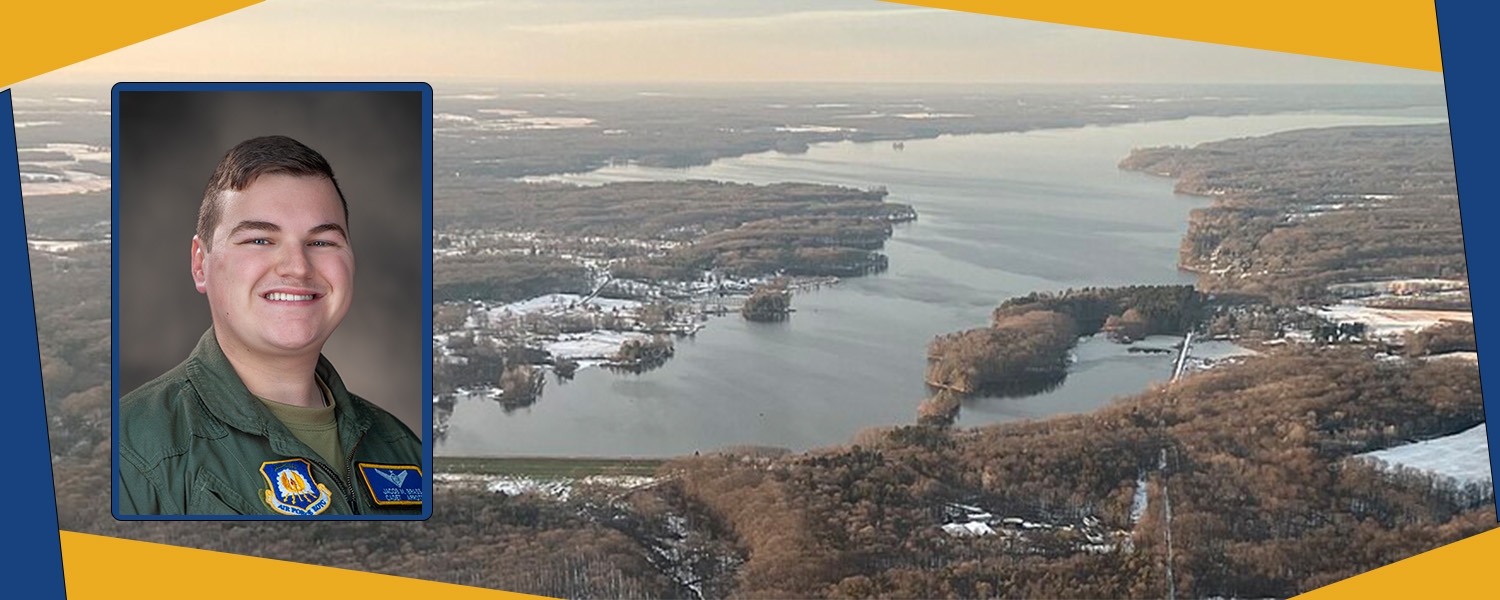
It���s 2 a.m. on Pymatuning Lake in Pymatuning State Park. The air is cold, and the lake is around 45 to 50 degrees Fahrenheit. It���s the perfect setting for duck hunting, even though at that temperature, water can cause hypothermia or unconsciousness within an hour if you fall into it.
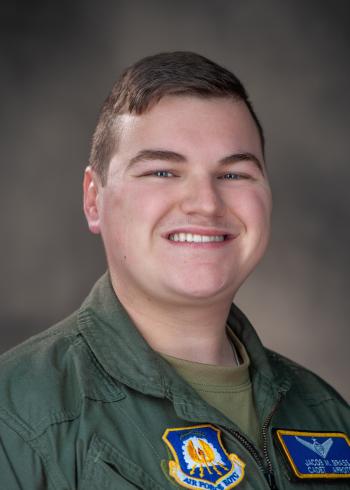
But when a boat capsized, Cadet 1st Lt. Jacob Brass used his military training to save four people without hesitation.
Brass, a senior integrative studies major at 蹤獲扦, is a member of the Air Force Reserve Officers��� Training Corps and a flight commander.
Every year, Brass and his family go duck hunting, and on opening day, they were running a little earlier than usual.
���We got down to the boat ramp at 1 a.m., and there were a few guys there,��� Brass told 蹤獲扦 Today. ���They had a boat, just one, for four guys and all their equipment.��� That equipment also included a dog.
Those four hunters and their canine companion headed out into the water. Brass, along with his father, uncle and cousin, did the same. 蹤獲扦 45 minutes later, a light in the water began to flash in the distance.
���We get a little bit closer and start hearing somebody yelling, ���Help, help us,������ Brass said.
The scene was clear: the boat had capsized, with two people splashing in the water while another two and the dog clung to the overturned boat.
In his boat, Brass���s uncle headed toward the two drifting away from the capsized boat while Brass and his father began the rescue of those clinging to the overturned vessel.
���We have a really small johnboat, so we couldn���t pull these guys in because we were already pretty heavy ourselves; we'd tip over,��� Brass said. ���So, what we decided to do was have them hang on their boat, and then we towed them basically to an island that was about maybe 100 yards away.���
For more than half an hour, Brass says, the two men and their dog sat in around 12 feet of water with the men wearing waders, a waterproof garment for the legs and body commonly worn on these excursions. When submerged, waders fill with water immediately, making them harder to remove and posing a risk of dragging someone under.
Once on land, Brass discovered a new problem. ���One of the guys started going hypothermic,��� Brass said. ���So, I had him take off all his wet stuff, gave him my stuff to warm him up and started a fire.���
With an expected two-hour wait for help, Brass���s quick thinking ensured everyone was safe and their belongings were secured until the fire department arrived to safely escort the four men and their dog from the scene.
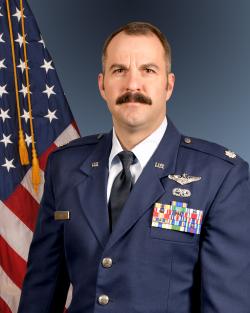
Brass���s commanding officer, Lt. Col. Gary Over, an instructor in aerospace studies and Air Force ROTC detachment commander, notified the university when this happened.
���Cadet Brass demonstrated calm leadership, sound judgment and decisive action under life-threatening conditions,��� Over said.
Brass attributes his ability to provide proper care and attention in this situation directly to what he has learned through the Air Force ROTC program at 蹤獲扦.
���When you show up on a scene like that, if you start to panic, it���s not going to end well,��� Brass said. ���Really, just taking that step back and calmly assessing the situation to be able to say, ���All right, the best course of action here is to tow their boat instead of dragging them onto our boat and possibly capsizing us.������
It was through learned medical training called ���tactical combat casualty care��� that Brass says he was able to tell that one man was going hypothermic.
���These skills are everyday skills that could be used at any point in time, and you���re never going to expect it,��� Brass said.
���His actions reflect great credit upon himself, Air Force ROTC Detachment 630, and 蹤獲扦,��� Over wrote.
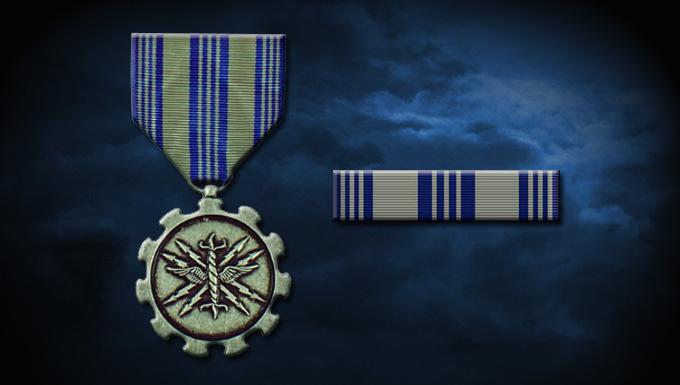
In recognition of his bravery, Brass received the Air and Space Achievement Medal, a U.S. Air Force award that recognizes personnel for outstanding achievement, exemplary service or acts of courage.
���Within the Air Force, our core values are integrity first, service before self and excellence in all we do,��� Brass said. ���We live that way outside, and I think it���s just an example. I know any of the people in that program would have done the same thing.���
Brass is set to commission in May as a pilot, heading off to pilot training next year with the goal of flying the Boeing C-17 Globemaster III, a large cargo aircraft designated for military transport. He also hopes to open his own flight school after his time in the service.
Recently, this rescue.